

Kobudo Weapon Specifications
Upon enrolling in Kobudo - use this guide to help get you or your child setup with the implements they need to support their training
Kobudo Weapons Master List
Students should start with the following implements in order as they build out their kobudo bag. Once they have achieved proficiency, additional implements will be added to complement their practice specifically. Specifications for each implement are here
Need a simple solution? See our beginner’s guide here
Bo
Jo
Ulisi
Bokken
Sai
Tonfa
Others

Bo Staff
Material: Wood
Length: 6’ (180cm) is standard, however if your child is growing, it is best to get a shorter bo staff of approximately their own height as a starting point
Diameter: 1/2'“-1”
Beginner Tips: get a 6’ dowel from the hardware store as a starting point! inexpensive, easily cut to size, and a great learning tool.
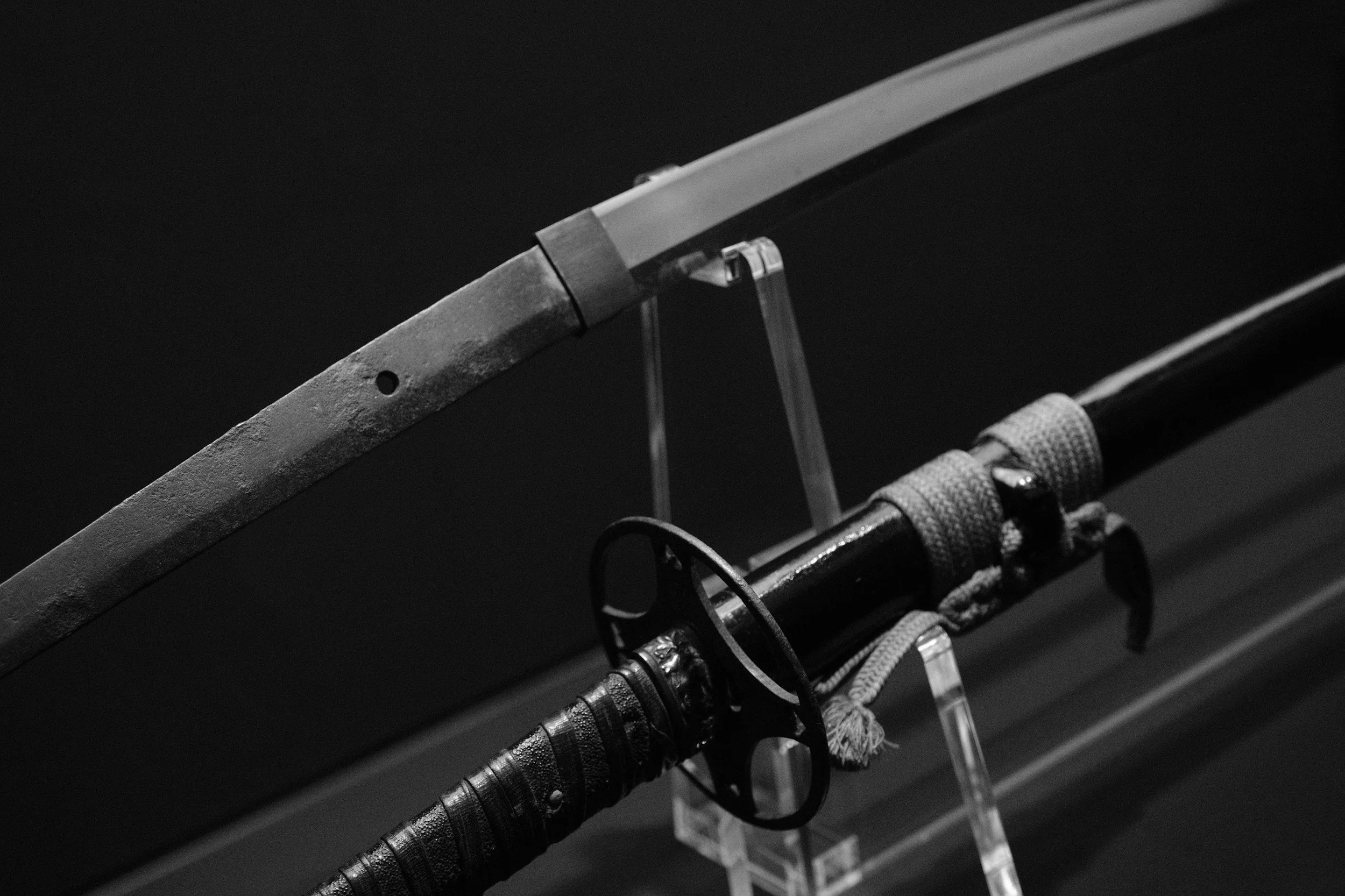
Bokken (Training Sword)
Material: wood
Length: in the tradition of the martial arts, there are most often 2 sword lengths used. Most of our training is using the longer of the two - which has historically no “standard” length and was up to the user, but may be from 38-42” most commonly depending on the user’s height and preference.
Diameter: N/A, usually standardized
Beginner Tips: use the same dowel as your Jo staff as a starting point! These make great birthday gifts for enthusiastic kobudo students
Jo Staff
Material: Wood
Length: ~4’ is standard. However, if your child is growing, using their navel as a guidance for length is a great starting point
Diameter: 3/4”-1”
Beginner Tips: get a 6’ dowel from the hardware store as a starting point and have it cut to size!
Sai
Material: Metal
Length: based on the length of the user’s forearm - with the tip of the sai extending just beyond the elbow when held in the “closed” position
Diameter: standardized
Beginner Tips: Plastic or rubber sai are a fantastic starting point. They will help the student learn the mechanics of the implement without dropping the sai on a toe! These make great birthday gifts for enthusiastic kobudo students.
Ulisi
Material: Rattan/Bamboo
Length: 28” is standard. However if your child is growing, shorter is fine. 20” is a good starting point for most of my students.
Diameter: 1/2”
Beginner Tips: use the cut ends from your bo and jo from the hardware store as your starting ulisi. No extra cost, and easily switched as they grow to a proper rattan ulisi.

Tonfa
Material: wood
Length: based on the length of the user’s forearm - with the tip of the tonfa extending just beyond the elbow when gripped.
Diameter: standardized
Beginner Tips: you CAN make these yourself, but in my experience, unless you have carpentry experience, these are better to purchase outright, as a good set will last a few years! These make great birthday gifts for enthusiastic kobudo students.
Leverage the hardware store
A trip to the hardware store with your new kobudo student is a simple, productive place to get started. Purchasing 2 dowels of 180cm each, which can be cut on site to size is an inexpensive route to help the student gain experience with the implement before committing to hundreds of dollars of investment into kobudo weapons they will then grow out of.
Of course, a great part about the hardware store option is that you can repeat this process again, fairly inexpensively if you child hits a growth spurt or breaks a dowel.
Strategy: Dowel 1 used as a bo staff. cut to child’s height (or a bit longer to allow for growth). Dowel 2, cut into a Jo staff with the cut portion used as a starting Ulisi.
Birthday Gifts
While most weapons can be made by a carpenter in the family (and make a great weekend project - see more below). Some weapons are simpler to purchase for most people without access to a family carpenter. The tonfa, and bokken are great examples in the wood family, and a plastic/rubber set of sai are examples.
Using birthday or Christmas gifts as a way to deepen your child’s investment in their own training while getting them an implement that will last them a few years and support their training as they grow is a mutually beneficial investment. As for where to procure these implements, I recommend a small local martial arts supply store like Kyoshi Martial Arts in an effort to support local businesses. Online is of course a viable and convenient option, but limits the student’s ability to see and feel the implement beforehand.
Build your bag as you go
There is no need to go “all out” upon starting kobudo (unless you really want to!), and starting with the bo, jo, ulisi hardware store combo per above is plenty. As the student attends class, they are welcome to borrow implements as needed, and use their existing bag as a proxy for gaining experience with new implements as they learn. As students grow and wooden weapons break the student’s kobudo bag can be updated over time
Experience is a fantastic guide
As to which wood, which diameter, etc. is best, let experience be their guide. This is something learned in time, and why I recommend the hardware store starting point so strongly. It will take the student at least 1 year, but likely more like 2-3 to learn that they might like a smaller diameter jo staff etc. Each wood has their own properties supporting their use case as a kobudo implement. As your student matures, these conversations happen with me naturally, and each family can decide on their own if their level of commitment is sufficient to justify their “dream jo staff” as their training progresses. I will say that a well made kobudo implement, customized for one’s preference and adult body can absolutely result in a weapon for life, and one that the trainee can deeply “bond”/connect with, which can be facilitative and motivational for their training.
Carpentry skills can make an awesome “bonding time” project
Have a carpenter in the family? Awesome!
Not only does having a resource like this save the upfront investment for kobudo - working with dad, grandpa, or otherwise for learning the weapon specifications and building your own, choosing the wood, etc., can be an amazing bonding experience and weekend project.
I’ve seen some absolutely stunning “homemade” kobudo implements over the years from families who have an interest in woodworking. Not only does it result in ideal training tools that can be re-made as the student gains experience (see #4 above) but it also usually results in the student taking a deep sense of care and responsibility for his/her kobudo weapons as they often helped in the process and are emotionally invested in maintaining them.